
November 4, 2026
by Lisa Vigil Schattinger
For those thinking of talking to their state representatives about MAID and House Bill 835, Nicole Robbins has some wisdom to offer: It might not be easy, but it’s important and there are tools to help prepare for it.
Nicole tells people to expect one of three likely outcomes when approaching a legislator who doesn’t already support MAID:
- The Representative may listen and ask questions about the bill or your personal story. In that case, she advises listening, because he or she is genuinely curious.
- The Representative may move to short-circuit the conversation by saying politely that he or she opposes MAID.
- He or she may respond with hostility, in which case the best thing to do is walk away and avoid further interaction.
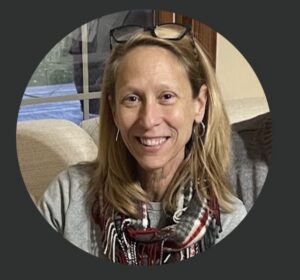
A registered Republican who describes herself as an independent thinker and strong believer in individual responsibility, Nicole advocates for MAID in Ohio in memory of her father, who wanted but couldn’t have that option when he was dying of heart disease in 2021. She shared her story with Compassion & Choices in 2022.
Her convictions led her in October to a Darke County Republican Party fundraiser to meet her representative, Johnathan Newman, and ask him to favor a public hearing for House Bill 835. “I figured it was a multi-purpose event,” she said. “I could hear what the candidates had to say and put something in (Newman’s) hands without having to request a meeting.”
Nicole introduced herself as a constituent and gave Newman a flier she had created explaining HB 835. She recalls, “He told me, ‘I’m going to be honest with you; I don’t support medical aid in dying.’ I said, ‘That’s OK; I’m just looking for support for holding a hearing so legislators can hear from both supporters and opponents.’”
Moments later, Nicole was shocked when an event organizer took the stage to declare that someone supporting MAID had “infiltrated” the dinner and was passing out fliers. The organizer didn’t point her out, but Nicole was understandably unnerved.
With the experience behind her, Nicole sees a number of positive outcomes. First and most important is that HB 835 and the issue of MAID was raised before 400 people who may well not have heard of them before.
Second, Nicole notes that fewer than half of the guests at the all-Republican event clapped when the organizer denounced her presence. And third, she has a clearer view of what’s required and what to expect when engaging with lawmakers. “I’m stronger now because of that,” she said.
Her advice? Get prepared, by looking up your representative and emailing before approaching him or her in person. (Use the “contact” button on the rep’s website rather than a direct email, she advises, because a staffer will be more likely to review website contacts than to open and respond to an email.)
Next, have a physical fact sheet when you go. “It’s important to have something in your hand to leave with them,” Nicole says. The Ohio End of Life Options website has lots of material to help with this.
If you have a personal MAID story, Nicole says, consider opening the conversation with it: “Nobody argues with your lived experience.” Conversations like these can reach hearts and minds, especially when someone can relate it to their own lives because of experiences of which we might not be aware.
After the encounter, she advises writing down what was said, in exact words if possible, to guide any follow-up contact. Following up, especially with someone not yet a supporter, is an important way to keep the door open and ensure the representative remembers you.
Advancing the cause of medical aid in dying in Ohio depends on reaching out to lawmakers, including some who openly oppose MAID. We deeply appreciate the commitment and effort of supporters like Nicole.